
Record High E-Bike and Air Fryer Fires: Is Your Home Protected?
Everyday appliances and battery-powered devices are sparking an alarming number of domestic fires, and that number is continuing to increase throughout the UK. What’s particularly concerning about these fires is that many of them are preventable with the right knowledge and precautions. With more families relying on certain products for both convenience and for making greener choices, understanding the risks and how to reduce them has never been more important.
In this article, we’ll explore the latest figures, why these fires happen, and provide you with some simple steps you can take to keep your home and loved ones safe.
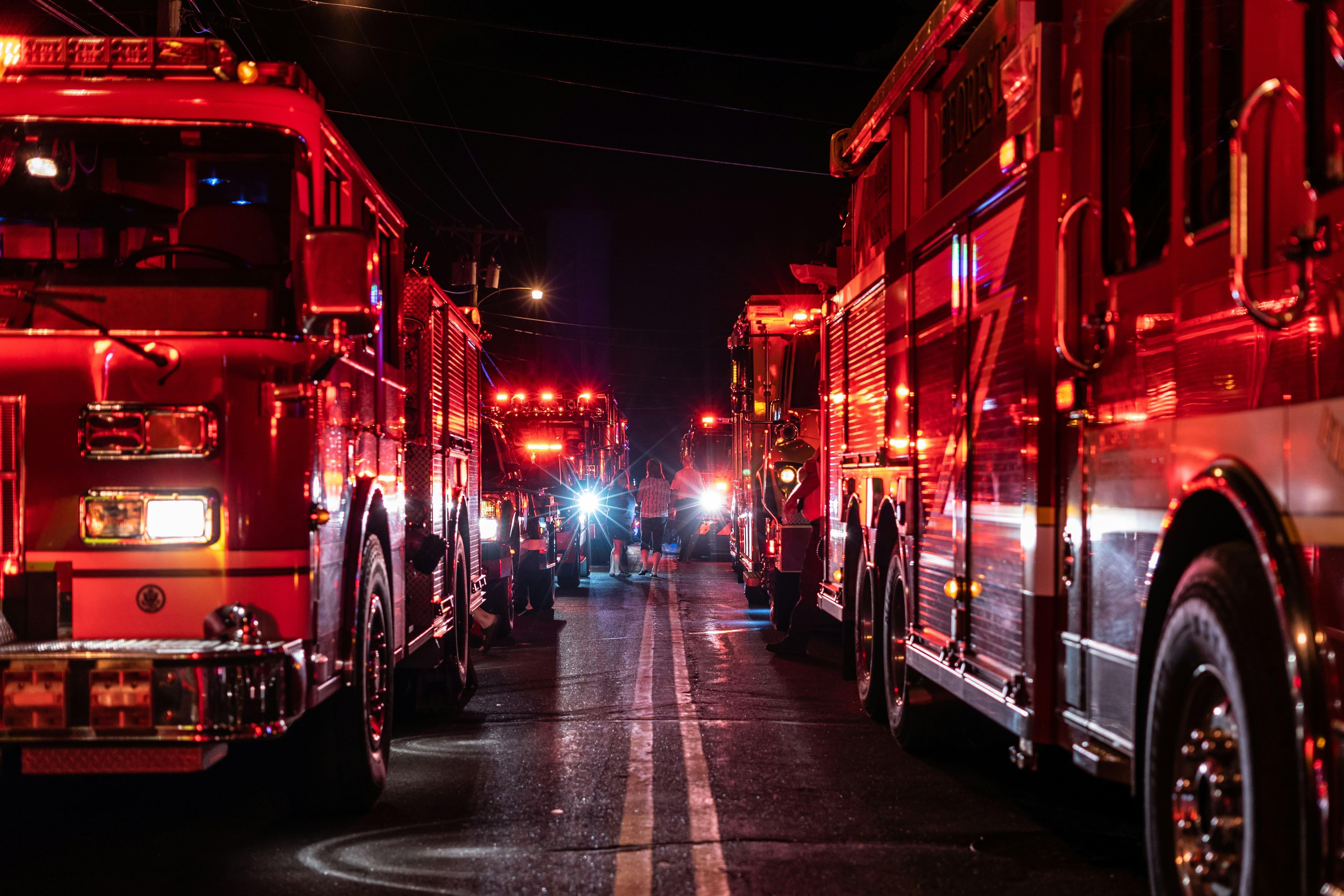
Concerning Figures and Trends
The Office for Product Safety and Standards (OPSS) reported 211 fires involving e-bikes or e-scooters last year, with the majority occurring in London, and this trend is showing no sign of slowing down. London Fire Brigade figures indicate that 2025 is on track for a record-breaking year, with 165 e-bike and e-scooter fires already recorded by late September 2025, 134 of which involved e-bikes alone. If these rates continue, we can expect the capital to exceed 200 such incidents in a single year for the first time on record.
But it’s not just transport we need to worry about. The kitchen remains another hotspot which needs consideration. Air fryers, now a staple in most homes, have been linked to hundreds of fires over the last few years, with nearly 750 cases identified through FOI responses and reporting since 2022.
Kitchen and domestic appliance fires remain one of the leading causes of home fires in the UK, and the increase in lithium-ion battery incidents is making the situation far worse.
Why Do Air Fryers Cause Fires?
Air fryers offer a safer alternative to using a deep-fat fryer, but they also come with their own risks. Many of these risks actually come from user error, whether that’s placing them on hobs, overcrowding the appliance, or allowing grease to build up. But there are also issues such as electrical faults,
blocked vents, and overheating to consider.
However, Nottinghamshire Fire and Rescue Service reports user error as the prime reason for incidents relating to air fryer-related fires rather than manufacturing faults.
E-Bikes and E-Scooters: A Growing Fire Hazard
The rapid rise in e-bike and e-scooter ownership has introduced a new type of fire risk into many homes. The lithium-ion batteries used in both bikes and scooters are usually safe. However, if they’re damaged, poorly made, overcharged, or used with the incorrect charger, they can
overheat quickly and ignite. What’s concerning is that lots of these incidents happen when bikes are being charged indoors, especially in hallways or bedrooms. There are also issues linked to DIY battery modifications and the use of cheap, uncertified chargers, which increase the risks.
The Unfortunate Cost
Behind every statistic is a family whose life has been affected. Fires involving air fryers or lithium-ion batteries can spread rapidly, causing devastating damage in minutes and leaving households displaced and without possessions.
In 2024 alone, eight fatalities in the UK were linked to e-bike fires, which shows just how devastating a single incident can truly be. In densely populated areas such as flats and terraced housing, one device fire can put an entire community at risk,
with shared corridors and close proximity allowing flames to spread quickly and affect multiple homes.
The financial impact can also be severe with the average home insurance claim for a fire caused by a lithium battery in the UK being around £50,000. However, costs can vary significantly, with some cases amounting to hundreds of thousands of pounds, according to Allianz.
Practical Fire Prevention Tips
How To Prevent Air Fryer Fires:
- Make sure your air fryer sits on a flat, heat-resistant surface with plenty of space around it.
- Do not place your air fryer on a hob or near anything flammable, like curtains.
- Avoid overfilling the basket and stick to the temperatures and guidelines provided in the manual.
- Clean it out regularly to remove grease and crumbs.
- Do not leave your air fryer unattended, and keep both children and pets well away from it.
- Unplug your air fryer when you aren’t using it
- If the power cords are damaged, you must replace them before using the appliance.
- Choose models with recognised safety marks and take a moment to register your appliance for any future recalls.
How To Prevent E-Bike And E-Scooter Fires:
- Charge your e-bike or e-scooter on a hard, non-combustible surface in a well-ventilated spot.
- Avoid charging in bedrooms and hallways where they could block escape routes.
- Use approved chargers and replacements only and buy them from reputable companies.
- Avoid charging it overnight so you can be aware of any issues which may arise whilst charging.
- Keep an eye on the battery. If you notice any damage, swelling, or unusual smells, stop using it immediately and get it checked by a professional.
- Avoid DIY battery upgrades or modifications and buy from reputable sellers that meet recognised safety standards.
General Household Fire Safety Tips
- Make sure you have working smoke alarms on every level of your home and test them regularly. It’s also worth keeping a fire blanket and having the correct type of extinguisher at hand, especially one suitable for electrical or lithium battery fires.
- Have a simple escape plan and run through it with your family. This way, everyone knows what to do in case of an emergency.
- Register your appliances and keep an eye on recall lists from manufacturers or major retailers, so you can act quickly if a safety issue is identified.
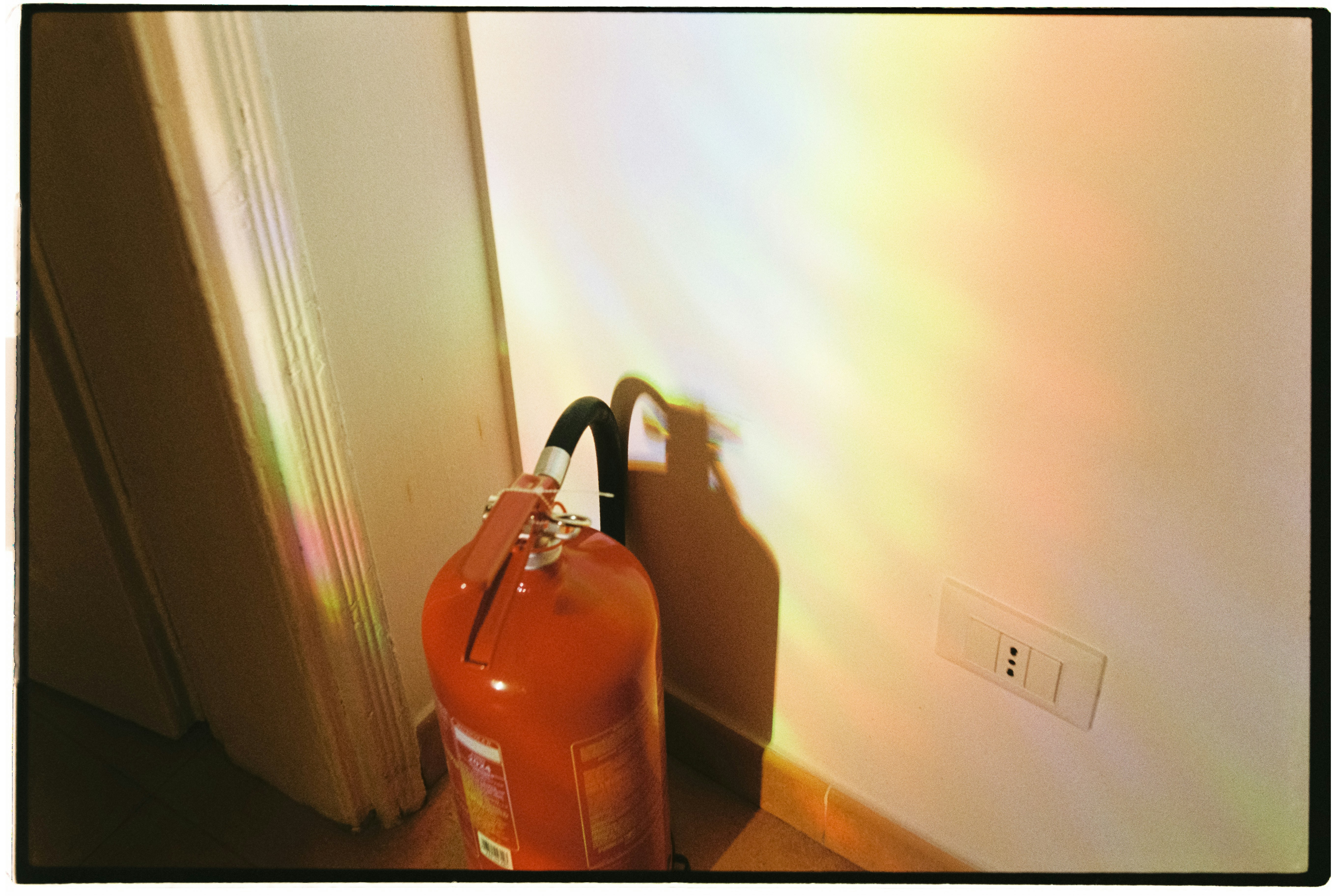
What To Do If a Fire Starts in Your Home
Prioritise getting everyone to safety. Rescue anyone in immediate danger, alert others, contain the fire by closing doors if possible, and evacuate before calling 999. Do not attempt to tackle large or fast-spreading fires yourself.
For small pan/appliance or cooking fires, unplug the device if safe and smother flames using a fire blanket or lid. Never pour water on electrical fires.
For lithium-ion battery fires, do not use water on a fully involved battery fire in enclosed spaces. Call 999 immediately. Move people away, and if possible and safe to do so, isolate the device on a non-combustible surface.
After a fire in the home, you should contact your insurer, keep records, and seek rehousing support via your local council if your property is inhabitable.
Don’t Wait for a Fire to Happen
Prevention is always the best defence. Simple checks and responsible use of appliances can save lives and protect your home.
By staying alert and adopting safe charging and simple cooking habits, you can significantly reduce the risk of a devastating fire in your home.
If you’d like expert advice and solutions designed to keep your home and family safe all year round, check out our Knowledge Hub where we share expert insights on fire protection. You can also sign up to our newsletter for the latest updates on fire risks and what you can do to prevent them.