
How Often Should You Service Your Alarm?
A working intruder alarm plays a key role in protecting both your home and your business. But like any technical system, it only functions if it’s properly maintained. While an alarm may appear to be working on the surface, small faults or outdated components can lead to major problems. The problem is, these are usually only noticed after the break-in or emergency has occurred!
Ensuring the reliability of your intruder alarm system isn’t just about ticking a box. It’s about safeguarding your property, complying with regulations, and preserving your peace of mind. But where do you start?
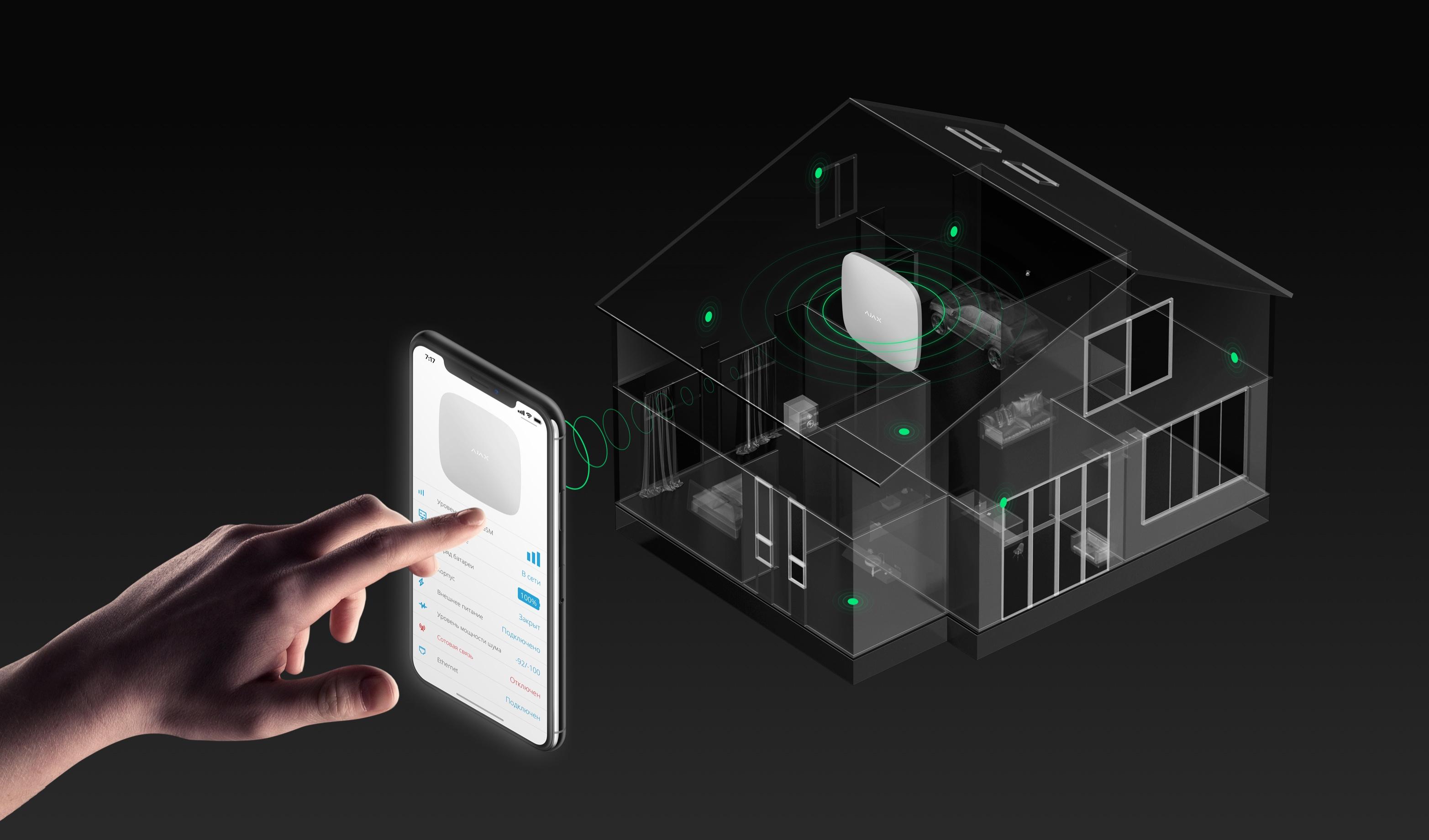
The role of regular alarm servicing and maintenance
Even the most advanced alarm systems can fail without consistent upkeep. Contrary to popular belief, an intruder alarm isn’t something you can set and forget. Over time, batteries degrade, sensors shift, wiring can wear, and software can become outdated. Without regular servicing, these issues can quietly build up, reducing the reliability of the system when it’s needed most.
In the UK, over 30% of callouts are often a result of poor maintenance. Routine checks help spot faults early, before they cause a system failure or lead to a false alarm. As well as reducing the chance of either of these happening, a professional engineer can also make sure the alarm settings and coverage still match the property layout, especially if renovations or layout changes have taken place since installation.
Ensuring compliance for insurers and police response
Many insurance providers require proof that an intruder alarm system is not only professionally installed but also regularly maintained by an accredited provider. Without this, a claim following a burglary may be reduced – or rejected altogether.
There are also standards that apply to intruder alarms, such as BS EN 50131 and PD 6662, which define how systems should be designed, installed, and maintained. For systems connected to police response, compliance with standards like BS 8243 is often essential.
False alarms are more than just an inconvenience; they can also affect how your system is viewed by emergency services.
In some cases, repeated false alarms can lead to the withdrawal of police response. Beyond technical compliance, there are practical legal considerations to bear in mind.
The UK’s Clean Neighbourhoods and Environment Act 2005 mandates that alarms must automatically silence within 20 minutes, avoiding nuisance noise complaints.
Regular servicing helps ensure your system remains compliant over time, especially if regulations or police policies change.
System grades and risk matching
Alarm systems come in various grades. These are levels of protection tailored to different risk scenarios. Choosing the right grade is vital, as mismatch may weaken your security or create unnecessary expense.
- Grade 1: Basic residential protection
- Grade 2: Higher-risk homes or small commercial settings
- Grade 3: Ideal for high-risk businesses and valuable properties
- Grade 4: Reserved for critical infrastructure and maximum security requirements
When should you service your alarm and what should it include?
For most systems, servicing is recommended at least once a year for a standalone alarm and twice a year for systems with remote monitoring.
If your system hasn’t been checked in a while, or you’re unsure when it was last maintained, it might be worth scheduling a visit sooner rather than later.
A typical intruder alarm service includes:
- Testing all components including control panels, motion detectors, door contacts, sounders and back-up batteries
- Checking communication paths to ensure alarm signals are reaching monitoring centres if connected
- Inspecting power supplies and confirming that back-up systems will work in the event of a power cut
- Reviewing system logs, looking for error reports, tamper alerts or recent faults
- Advising on upgrades, especially if your system is older or has become difficult to support
A sensible step towards better security
Intruder alarm servicing is far more than routine upkeep; it’s a critical component of a robust security strategy. Whether you’re managing a commercial site or securing your home, a functioning and well-maintained alarm can offer peace of mind.
Keeping your system compliant, reliable, and professionally maintained ensures you’re covered when it counts, whether against burglary, legal complications, or insurance hassles.
If you’d like support with servicing your system, or simply need advice on what’s required, Wardour Fire & Security is here to help. Our engineers are qualified, experienced, and work in line with the latest industry guidelines. Contact our team today to find out more.