
Which Fire Extinguisher Do I Actually Need?
When a fire starts, you don’t have time to second‑guess yourself. The right fire extinguisher can stop a small flare‑up from turning into a full‑blown emergency, but only if it’s the right type for the fire in front of you. That’s why choosing the correct extinguisher for your office, kitchen, workshop or industrial space is such a key part of staying safe.
Different fires need different extinguishing agents. Water on an electrical fire? Dangerous. The wrong extinguisher on a grease fire? Just as risky. A quick understanding of the main extinguisher types helps you act fast, limit damage and keep people safe.
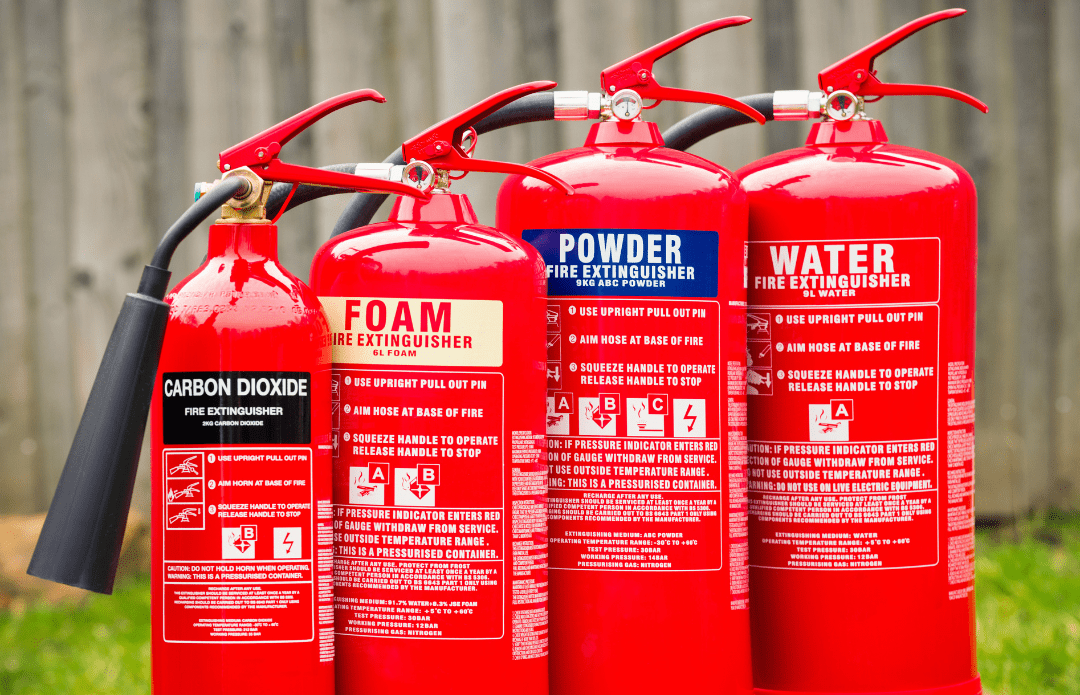
Why Choosing the Right Extinguisher Matters
Fires don’t all behave the same way. Wood, paper, oil, electrical equipment, cooking fats and gases each burn differently, so the extinguisher has to match the fuel. There’s no one‑size‑fits‑all option.
Wardour’s fire extinguisher range covers water, foam, CO₂, dry powder and wet chemical extinguishers, each designed for specific risks. The best choice depends entirely on where the extinguisher will live and what hazards are present.
Water Extinguishers
Water extinguishers are ideal for Class A fires, the everyday stuff like wood, paper, cardboard and textiles. You’ll usually find them in offices, corridors and storage areas.
They’re not usually suitable for electrical fires or flammable liquids. In the wrong situation, water can spread flames or create an electrical hazard, so they’re great in the right place but definitely not universal.
Foam Extinguishers
Foam extinguishers work on Class A and Class B fires, meaning they can handle solid materials and flammable liquids like petrol, diesel or paint.
They’re a popular choice for mixed‑risk areas such as workshops, garages and many commercial spaces. Foam also avoids the heavy residue that powder extinguishers leave behind, which makes them easier to clean up after use.
CO₂ Extinguishers
CO₂ extinguishers are designed for electrical fires and can also tackle some flammable liquid fires. They’re commonly placed near computers, server rooms, electrical panels and other sensitive equipment.
Their biggest advantage? No residue. That means your equipment stays protected, making CO₂ a smart option for offices and technical environments where cleanliness matters.
Dry Powder Extinguishers
Dry powder extinguishers are extremely versatile, they work on Class A, B and C fires, covering solids, flammable liquids and flammable gases.
They’re often used in industrial settings, workshops and transport environments where fuel or gas risks are higher. The trade‑off is the mess: powder can reduce visibility and leave significant residue, so it’s not ideal for offices or enclosed indoor spaces.
Wet Chemical Extinguishers
Wet chemical extinguishers are specifically made for Class F fires, which involve cooking oils and fats. They’re essential in commercial kitchens, canteens and food preparation areas.
They cool the fire and prevent re‑ignition which is crucial when you’re dealing with hot oil. If you manage a kitchen, this is the extinguisher you absolutely need.
Matching Extinguishers to Your Space
The best setup comes from understanding your risks, not guessing. Offices typically need water and CO₂ units, commercial kitchens need wet chemical extinguishers, and industrial sites may require dry powder because of fuel or gas hazards.
A proper fire risk assessment will look at what could burn, where ignition is most likely and how people would respond in an emergency. If you’re unsure what your premises needs, don’t leave it to chance. The right guidance keeps you compliant, protects your people and ensures your equipment matches the risks around you. Just remember to have them checked annually so you can be sure that if you ever need them, they’re going to work as they’re supposed to!
Get in touch with our expert team at Wardour to talk through your fire extinguisher requirements and put the right protection in place.