
Why Hot Weather Increases Fire Risks
The recent heatwave may have been a welcome change after a long and cold British winter, but it also brings a risk that many people underestimate. As the UK experiences intense heatwaves, the conditions that cause fires to start and spread become significantly more likely.
The UK has seen a substantial rise in wildfire incidents alongside rising temperatures. During the July 2022 heatwave, London Fire Brigade declared a major incident as extreme temperatures and dry conditions led to widespread grass and open-land fires across the country. Now, with heatwaves happening more often than in previous decades, understanding why hot weather creates these conditions and what you can do to reduce the risk could make a real difference to your home, your business, and your community.
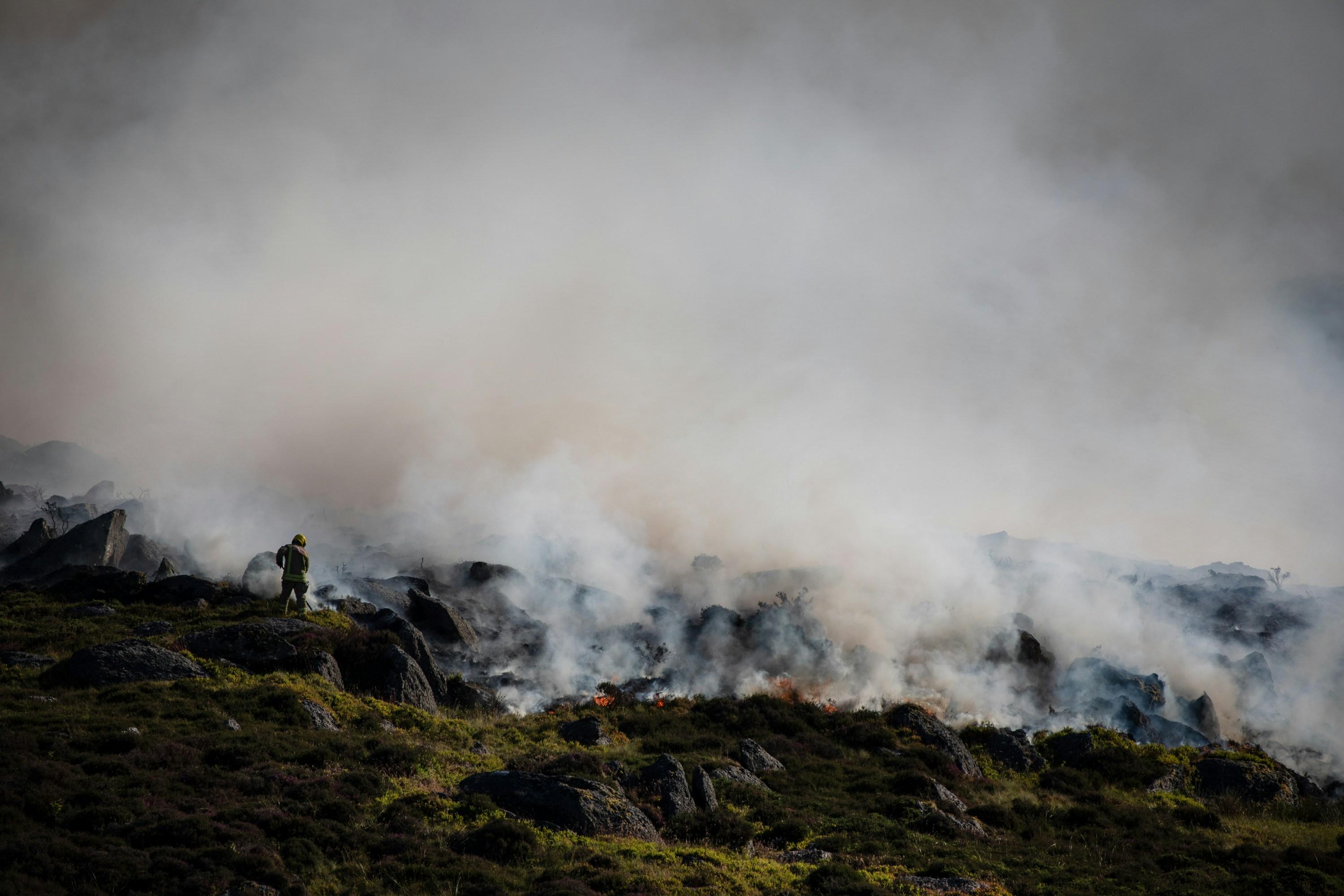
It’s not just about the higher temperature. Prolonged heat dries out vegetation like grass, hedges, shrubs, and garden borders, turning them into highly flammable material. Lower moisture levels in soil, grass, and plants speed up the spread of fire, while even small sparks from discarded cigarettes or machinery friction can quickly ignite dry ground and vegetation.
Hotter days also mean more outdoor activity, such as barbecues, fire pits, machinery, and increased traffic on dry grassland. More ignition sources, more flammable material, and faster spread create a difficult combination to manage.
The Hazards Most People Miss
Most people know not to leave a barbecue unattended, but some of the most common causes of hot weather fires are far less obvious.
Glass and reflective surfaces are a surprisingly frequent culprit. A glass bottle, a mirror, or even certain windows can concentrate sunlight enough to ignite dry grass or leaves nearby. It has the same magnifying glass effect you may remember from school. It’s very easy to overlook, particularly in gardens or public spaces where glass is routinely left out.
BBQs and outdoor fire pits become far more dangerous during hot and dry weather. Improperly extinguished coals can remain hot for hours, while wind can carry embers into nearby dry grass, plants, or fencing. Disposable BBQs placed directly onto grass are also a major fire risk, as the heat underneath can quickly ignite dry ground and spread unexpectedly.
Lithium-ion batteries in e-bikes, scooters, and power banks are also significantly more vulnerable in high temperatures. Heat accelerates the risk of thermal runaway, a chain reaction inside the battery that can cause rapid overheating or fire. And improper charging or storage of such devices further increases that risk.
Gas canisters and bottles are another overlooked risk. Heat causes pressure to build up inside containers, increasing the chance of leaks, rupture, or in serious cases, explosion. Barbecue gas bottles, camping canisters, and industrial equipment should never be left in direct sunlight or stored in confined spaces during hot weather.
Vehicles and garden machinery are also among the risks. A hot exhaust system or engine parked on dry grass can be enough to start a fire. Lawnmowers and strimmers can throw sparks into tinder-dry ground, and in agricultural or construction settings, the risks are further amplified.
How Can You Reduce the Risk?
The good news is that most hot weather fire risks are preventable with some straightforward precautions.
At home, keep lawns trimmed and clear dry debris from gardens and borders. Store glass items safely and avoid leaving reflective surfaces outdoors during heatwaves. Keep e-bikes, scooters, and power banks out of direct sunlight.
When using barbecues or fire pits, never leave them unattended and ensure coals are fully extinguished before you go inside. Disposable barbecues placed directly on dry grass are a common cause of summer fires and should always be raised off the ground on a non-combustible surface.
For businesses and public spaces, hot weather is a prompt to review your fire risk assessment. Clear dry vegetation from around the perimeter of your premises, ensure smoking areas have safe disposal points, and consider whether seasonal signage is needed to remind staff and visitors of the heightened risks.
Fire Prevention Is a Shared Responsibility
What makes hot weather fires particularly damaging is how quickly they can escalate. A small spark in dry conditions can become a large, fast-moving fire within minutes, which is why awareness matters as much as individual action.
At Wardour, we understand how quickly hot weather conditions can increase fire risk, particularly in everyday environments where dry vegetation, outdoor equipment, and increased activity create the conditions for fires to start and spread quickly.
Simple awareness, responsible behaviour, and taking the right precautions during periods of extreme heat can play an important role in reducing fire risk and protecting homes, businesses, public spaces, and local communities.
If you’re looking to reduce your hot weather fire risks but are not sure how, get in touch with our team of experts today.