
Access Control 101: From Keypads to Smart Credentials
Remember the days when access control was a simple lock and key? All you had to worry about was not losing the key and making sure you locked the door at night. That was enough to give you peace of mind that your premises were safe until tomorrow. Today, though, it’s less about keeping people out and more about intelligently managing who gets in, where they can go, and when. Modern systems combine convenience with accountability, creating a layered approach to security that traditional locks can’t match.
What Is Access Control, Really?
At its core, access control is about replacing physical keys with credentials. Whether digital or physical, these identifiers grant or deny entry to a building. Unlike keys, they can be updated, revoked, or tracked in real time, giving organisations far greater visibility and control over their premises.
From entry-level keypads to advanced biometric systems, each technology offers a different balance of security, usability, and cost. But how do you choose the right one for you?
Keypads
Keypads are often the first step into electronic access control. Users enter a PIN to unlock a door, offering a simple, cost-effective, and easy-to-deploy solution. They work well in low-risk areas or as a secondary layer of security. However, PINs can be shared or observed, and over time, wear on buttons can even reveal commonly used digits.
That’s why keypads alone are rarely enough for high-security environments, but when paired with other technologies, they become part of a much stronger system.
Cards and Fobs
RFID cards and key fobs are now a staple in offices, schools, and commercial buildings worldwide. A quick tap or wave grants access, making them ideal for high-traffic areas. Their real advantage lies in flexibility. Lost a card? It can be deactivated instantly without changing the locks. Need to restrict access? Permissions can be updated centrally in seconds.
More advanced versions, such as smart cards, add encryption and data storage, making them far more secure than older proximity cards and, as a result, much harder to clone.
Mobile Credentials
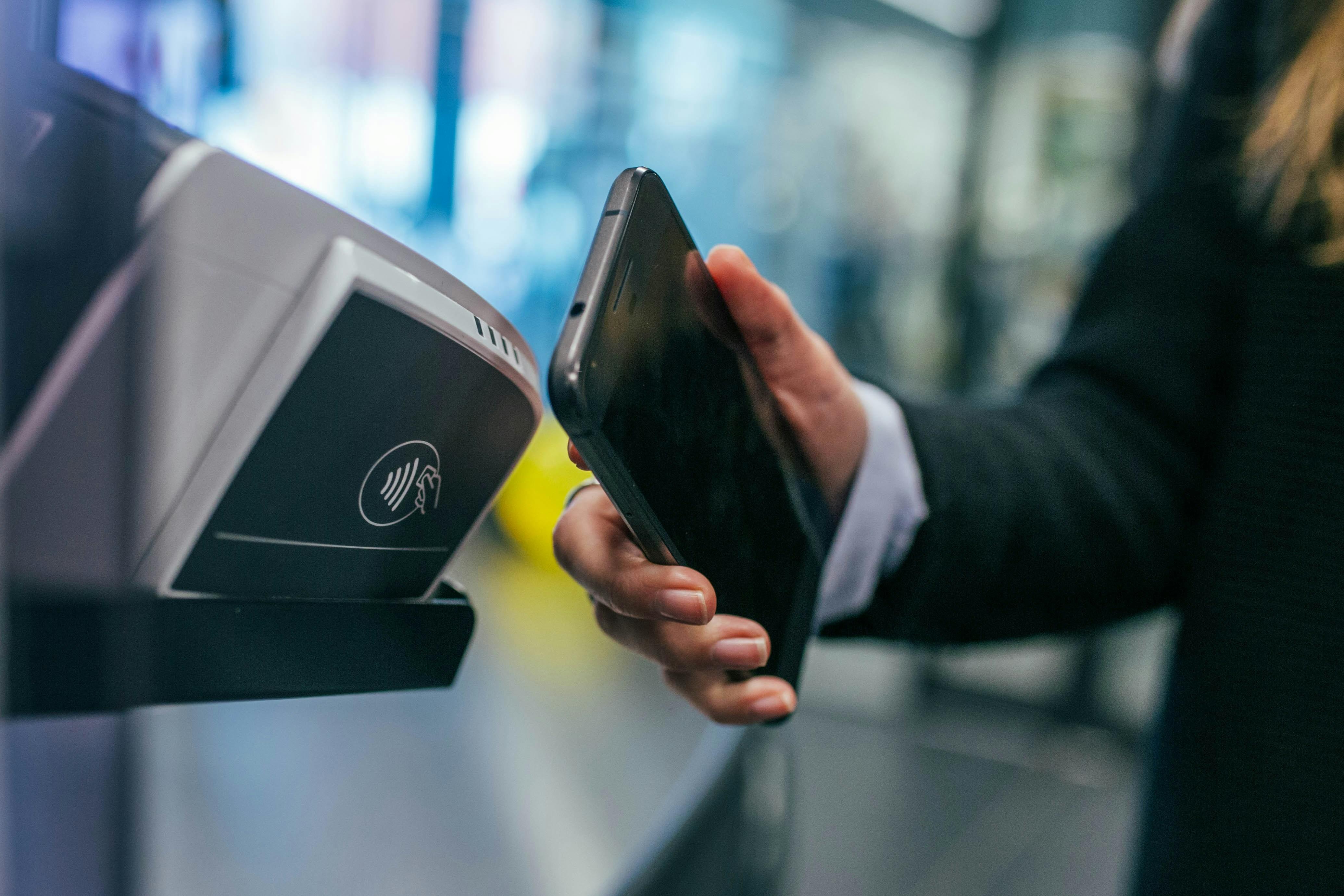
Like most things in life, from banking to loyalty cards, access control is increasingly moving to smartphones. Mobile credentials use technologies like Bluetooth or NFC to turn a phone into a secure digital key. This eliminates the need for physical cards altogether and streamlines administration. Credentials can be issued remotely, updated instantly, and even integrated with other building systems.
For organisations embracing flexible working or multiple sites, this level of scalability is a game-changer.
Biometrics
Biometric systems take security a step further by using something unique to the individual, whether fingerprints, facial recognition, or iris scans. Because these traits can’t be lost or shared, biometrics provide a high level of assurance. They’re particularly effective in sensitive areas where verifying identity is critical.
That said, they’re not without considerations. Privacy, compliance, and environmental factors (like lighting for facial recognition) all need to be carefully managed.
Multi-factor Authentication
No matter how much you prepare, no single method is ever going to be perfect. That’s why many modern systems combine technologies, for example, a card plus a PIN, or a mobile credential plus biometric verification. For the highest level of security, aim to align your security methods with the principle of “something you know, something you are,” to significantly reduce the risk of unauthorised access.
Smarter, Connected Security
There’s no denying that the advancements in technology have changed the way we think about access control. But what truly sets modern access control apart is what happens behind the scenes. Every entry attempt is logged, creating a detailed audit trail. Systems can also integrate with alarms, CCTV, and cloud-based platforms, enabling real-time monitoring and remote management.
In other words, access control is no longer just about doors; it’s about data, insight, and proactive security. And as systems continue to evolve, one thing is clear: the future of security isn’t just locked, it’s intelligently controlled.
If you’re looking to upgrade your security systems but are not sure what the right level is for you and your business needs, get in touch with our team of experts today.